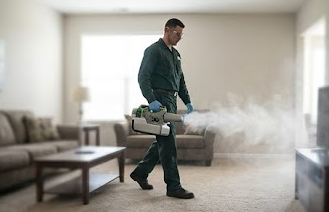
Scheduling a professional pest control treatment is an important step toward protecting your home from insects and rodents. While experienced technicians handle the inspection and treatment process, homeowners also play an important role in preparing the property before the appointment. Proper preparation allows technicians to access key areas more easily, improves treatment effectiveness, and helps reduce the likelihood of recurring pest problems.
Every pest situation is different, but a few simple steps before the service can make the treatment more efficient. Understanding what to do before Pest Control Vero Beach treatment helps homeowners achieve the best possible results while making the process smoother for everyone involved.
Why Is Preparing for Pest Control Important?
Preparing the home before a pest control treatment allows technicians to inspect and treat the property more thoroughly. Many pests hide beneath sinks, behind appliances, inside cabinets, around plumbing fixtures, and in other areas that can become difficult to access when cluttered. Clearing these spaces helps technicians identify signs of pest activity and apply treatment where it will be most effective. Better access allows the inspection to be more accurate and the treatment more complete. Proper preparation supports long-term pest management.
Preparation also helps protect household belongings during the service. Moving personal items away from treatment areas reduces the chance of accidental spills or disruptions while allowing technicians to work efficiently throughout the property. Taking a few minutes to prepare the home often shortens the overall service time and allows the treatment plan to be completed without unnecessary delays. A well-prepared home contributes to better overall results. Homeowner participation is an important part of successful pest control.
How Should You Prepare the Inside of Your Home?
One of the most helpful preparations is cleaning areas where pest activity has been observed. Wiping countertops, sweeping floors, vacuuming carpets, and removing food crumbs help eliminate food sources that attract insects and rodents. Storing food in sealed containers and taking out household garbage before the appointment also supports the effectiveness of the treatment. A clean environment makes it more difficult for pests to survive after treatment has been completed. Good sanitation complements professional pest control.
Homeowners should also make important inspection areas easily accessible. Cabinets beneath sinks, utility rooms, laundry areas, garages, basements, crawl space entrances, and storage rooms should be reasonably clear so technicians can perform detailed inspections. Moving furniture away from walls may also be helpful if pest activity has been noticed in those areas. Better access improves the quality of both the inspection and the treatment. Simple preparation often makes a noticeable difference.
Should Outdoor Areas Be Prepared Too?
Preparing the outside of the home is just as important as preparing the interior because many pest problems begin outdoors. Trimming shrubs and tree branches away from exterior walls reduces sheltered pathways that insects and rodents often use to enter the home. Removing leaves, wood piles, yard debris, and excessive vegetation near the foundation also eliminates potential nesting areas. Exterior maintenance helps reduce pest pressure around the property. Preventing access begins outside the home.
Outdoor garbage containers should be closed securely, and standing water should be removed whenever possible before treatment. Bird feeders, pet food bowls, and fallen fruit from trees may also attract unwanted pests if left unattended. Addressing these conditions helps create an environment that is less appealing to insects and rodents after the treatment has been completed. Outdoor preparation supports long-term pest prevention. Small improvements can significantly increase treatment effectiveness.
What Information Should Homeowners Share With the Technician?
Providing accurate information before the treatment helps technicians develop the most effective pest management plan. Homeowners should describe where pests have been seen, how often they appear, when activity is most noticeable, and whether previous treatments have been attempted. Even seemingly minor observations may help identify nesting locations or patterns of pest movement throughout the property. Detailed information improves the accuracy of the inspection. Good communication supports better treatment results.
It is also helpful to mention any recent plumbing leaks, moisture problems, home renovations, or landscaping changes that may have affected pest activity. Technicians use this information to identify environmental conditions contributing to the infestation rather than focusing only on the visible pests. Understanding the property’s history allows a more customized treatment strategy to be developed. Every detail contributes to a more effective service. Accurate communication benefits both the homeowner and the technician.
What Should Homeowners Expect During the Treatment?
After completing the inspection, the technician explains the treatment plan and identifies the areas that will receive attention. Depending on the type of pest involved, treatment may include targeted applications, bait stations, monitoring devices, exclusion recommendations, or preventive barriers around the home’s exterior. Every treatment is selected according to the specific pest and the property’s unique conditions. A customized approach provides more effective long-term protection. Professional pest control focuses on solving the underlying problem.
Throughout the service, technicians may also identify structural issues or maintenance concerns that increase pest activity. Gaps around windows, doors, utility penetrations, plumbing leaks, excessive moisture, or damaged weather stripping are common examples. Correcting these conditions helps reduce future infestations by making the property less attractive to pests. The treatment often includes valuable prevention recommendations in addition to pest elimination. Long-term protection depends on addressing the source of the problem.
What Should You Do After the Pest Control Treatment?
Following the technician’s recommendations after the service is an important part of successful pest management. Homeowners should continue maintaining good sanitation by cleaning food spills promptly, storing food properly, removing garbage regularly, and eliminating standing water wherever possible. These habits reduce the conditions that attract insects and rodents while supporting the effectiveness of the treatment. Daily maintenance strengthens long-term pest prevention. Consistent care helps maintain a pest-free home.
It is also important to monitor pest activity during the weeks following the treatment. Depending on the pest involved, homeowners may continue seeing some activity while the treatment works through hidden nesting areas or colonies. Gradually declining pest activity is often a normal part of the treatment process. If concerns remain after the recommended period, contacting the pest control provider for follow-up guidance helps ensure the infestation has been fully addressed. Communication supports successful long-term results.
Why Is Prevention Still Necessary After Treatment?
Professional pest control is most effective when combined with ongoing preventive maintenance throughout the year. Routine home inspections, proper sanitation, moisture control, sealing entry points, and maintaining the property’s exterior all reduce opportunities for pests to return. Preventive maintenance strengthens the protection provided by professional treatment while reducing the likelihood of future infestations. Small maintenance tasks often prevent larger pest problems later. Prevention remains the foundation of successful pest management.
Scheduling routine pest inspections also allows developing pest activity to be identified before it becomes a significant infestation. Seasonal changes, nearby construction, landscaping growth, and weather conditions all influence pest behavior throughout the year. Regular monitoring provides homeowners with greater confidence that their property remains protected long after the initial treatment has been completed. Ongoing maintenance supports lasting results. Long-term prevention provides the greatest value.
Final Thoughts
Understanding what you should do before a pest control treatment helps homeowners prepare their property for a more effective and efficient service. Cleaning the home, improving access to inspection areas, maintaining the exterior, sharing important information with the technician, and following post-treatment recommendations all contribute to better long-term pest management. Professional pest control works best when combined with preventive home maintenance and routine inspections that reduce the conditions attracting unwanted pests. By taking a proactive approach before and after treatment, homeowners can enjoy a cleaner, healthier, and more comfortable living environment throughout the year.