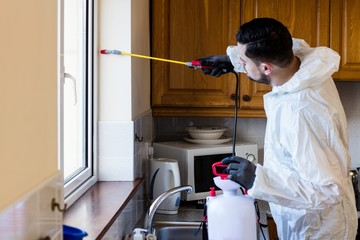
It often begins with a small sign that is easy to ignore. A faint scratching sound behind a wall, a trail that appears overnight, or a single insect that seems out of place. At first, it may not feel like a serious problem, but pests rarely stay isolated for long. Given time, they multiply, spread, and begin to affect both comfort and cleanliness inside the home.
Understanding the different Pest Control Texas options available can make the difference between a minor inconvenience and a persistent issue that disrupts daily life.
Understanding Why Pest Control Is Necessary
Pests are more than just an annoyance. They can damage property, contaminate food, and create an unhealthy living environment. Insects and rodents often carry bacteria and allergens that can affect indoor air quality and overall hygiene.
Homes provide the ideal conditions for pests to thrive. Access to food, water, and shelter makes indoor spaces highly attractive. Once pests find a way inside, they can settle quickly and become difficult to remove without proper intervention.
Recognizing the importance of pest control is the first step toward maintaining a safe and comfortable home. Addressing the problem early helps prevent more serious issues and reduces the effort required to manage an infestation.
Preventative Pest Control Methods
Prevention is one of the most effective pest control options. Keeping pests out is often easier than dealing with them after they have entered the home. Simple measures can significantly reduce the chances of an infestation.
Sealing gaps and cracks around doors, windows, and walls helps block entry points. Keeping the home clean by removing food residue and properly storing food limits what attracts pests. Regularly disposing of waste and maintaining a tidy environment also discourages unwanted visitors.
Managing moisture is another key factor. Many pests are drawn to damp conditions, so fixing leaks and ensuring proper ventilation can help reduce their appeal. Preventative measures create an environment that is less inviting, making it harder for pests to establish themselves.
Natural and Eco Friendly Pest Control Options
For those who prefer a more environmentally conscious approach, natural pest control options offer an alternative to traditional methods. These solutions focus on using non toxic substances and techniques to manage pests while minimizing impact on the environment.
Common approaches include using natural repellents, introducing beneficial organisms, and maintaining cleanliness to disrupt pest activity. These methods aim to create conditions that are unfavorable for pests without relying on harsh chemicals.
While natural options can be effective for minor issues, they often require consistency and patience. They work best as part of a broader strategy that includes prevention and regular monitoring.
Chemical Pest Control Solutions
Chemical pest control is another option, often used when infestations are more severe or difficult to manage. These solutions involve the use of specially formulated substances designed to eliminate or control pests.
Chemical treatments can be highly effective when applied correctly. They target specific pests and can provide quick results, making them a practical choice in certain situations. However, it is important to use these methods responsibly to avoid unnecessary exposure.
Proper application ensures that the treatment addresses the problem without creating additional risks. Understanding how and when to use chemical solutions is essential for achieving safe and effective results.
Integrated Pest Management Approach
Integrated pest management combines multiple strategies to create a balanced and effective approach to pest control. Rather than relying on a single method, this approach uses a combination of prevention, monitoring, and targeted treatments.
The focus is on understanding pest behavior and addressing the root causes of infestations. By identifying what attracts pests and how they enter the home, it becomes easier to implement solutions that prevent their return.
This approach emphasizes long term control rather than temporary fixes. It aims to reduce reliance on chemical treatments while still providing effective results. Integrated pest management is often considered a comprehensive solution for maintaining a pest free environment.
Choosing the Right Pest Control Option
Selecting the best pest control option depends on several factors, including the type of pest, the severity of the problem, and personal preferences. Some situations may require a combination of methods to achieve the desired outcome.
Understanding the nature of the infestation is key. Different pests require different approaches, and what works for one type may not be effective for another. Taking the time to assess the situation helps ensure that the chosen method is appropriate.
Balancing effectiveness with safety is also important. Considering the impact on the household and the environment helps guide the decision making process. The goal is to find a solution that resolves the issue while maintaining a safe living space.
Maintaining Long Term Pest Control
Once pests have been addressed, maintaining a pest free home becomes the next priority. Consistency is essential in preventing future infestations. Regular inspections and upkeep help identify potential problems before they become serious.
Keeping the home clean and organized continues to play a significant role. Eliminating food sources and reducing clutter makes the environment less appealing to pests. Addressing small issues quickly prevents them from developing into larger concerns.
Long term pest control is about creating habits that support a clean and secure living space. By staying proactive, homeowners can reduce the likelihood of recurring problems and enjoy a more comfortable environment.
Common Challenges in Pest Control
Pest control can present several challenges, particularly when dealing with persistent infestations. Some pests are highly adaptable and can survive in a variety of conditions. This makes them difficult to eliminate without a comprehensive approach.
Another challenge is identifying the source of the problem. Without understanding how pests are entering the home or what is attracting them, it can be difficult to achieve lasting results. Addressing only the visible signs may not be enough.
Patience and persistence are often required to overcome these challenges. Combining different methods and staying consistent with maintenance can help achieve more effective outcomes.
The Role of Awareness and Early Action
Awareness plays a crucial role in successful pest control. Recognizing the early signs of an infestation allows for quicker intervention and reduces the effort needed to resolve the issue.
Early action helps limit the spread of pests and prevents them from establishing a strong presence. It also minimizes potential damage and reduces the need for more intensive treatments.
Staying attentive to changes in the home environment can make a significant difference. By responding promptly to any signs of pests, homeowners can maintain better control and protect their living space.
Final Thoughts on Pest Control Options
Pest control is an essential part of maintaining a clean, safe, and comfortable home. With a variety of options available, from preventative measures to chemical treatments and integrated approaches, there are solutions to suit different needs and situations.
Understanding the strengths and limitations of each method allows for more informed decisions. By combining strategies and staying consistent with maintenance, it is possible to achieve effective and lasting results.
A proactive approach to pest control not only addresses current issues but also helps prevent future problems. With the right knowledge and effort, homeowners can create an environment that remains free from unwanted pests and supports a healthier way of living.